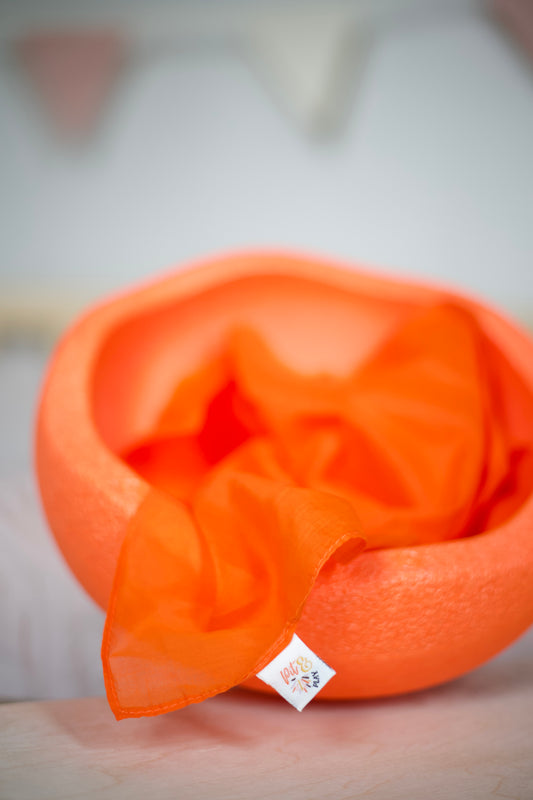
Cotton Playcloths Matching Stapelstein
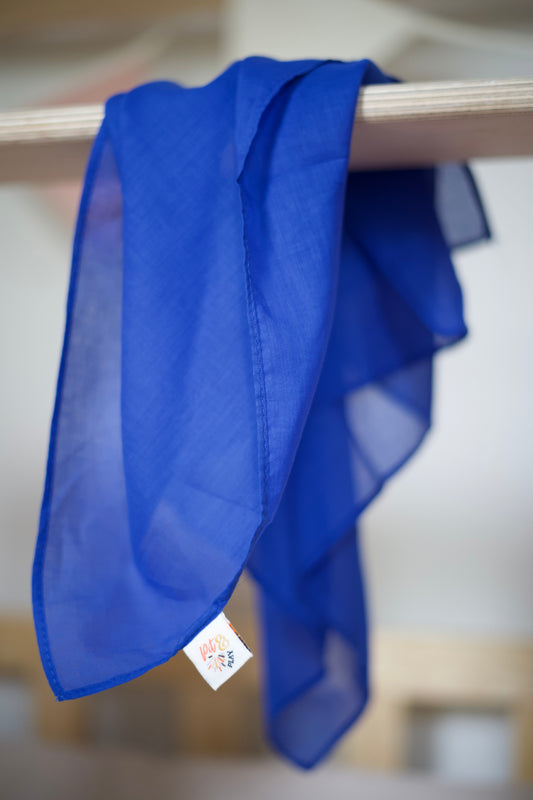
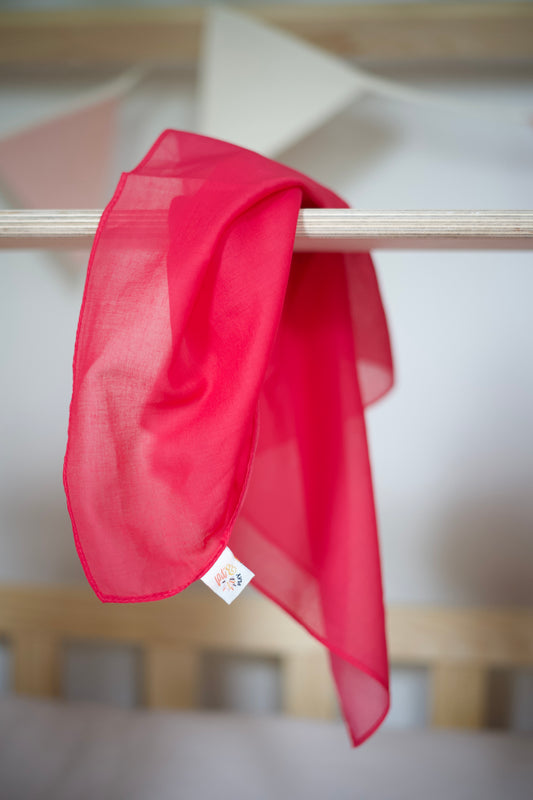
Cotton playcloths from Pit and Play are timeless open-ended toys that grow with babies, toddlers, and preschoolers. They stimulate imagination, movement, and calm, and are made from 100% cotton, completely free of microplastics and animal materials. This makes them a sustainable, plant-based alternative to play silk and an ideal material for Montessori and Waldorf-inspired play.
Playcloths Stapelstein
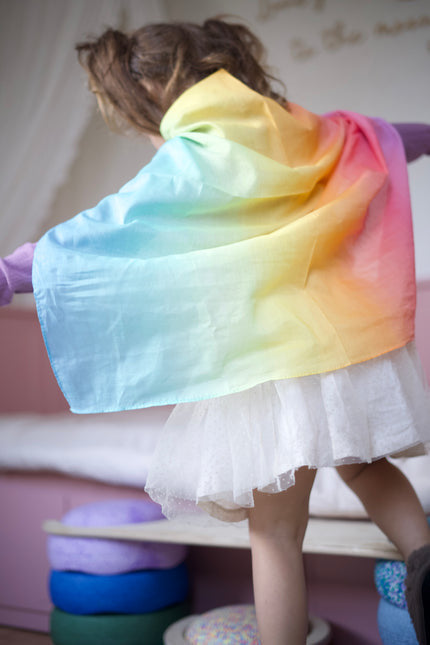
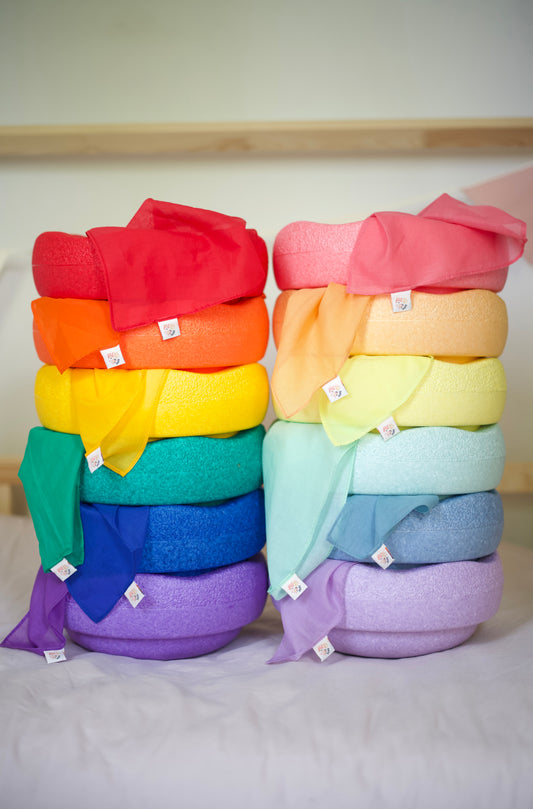
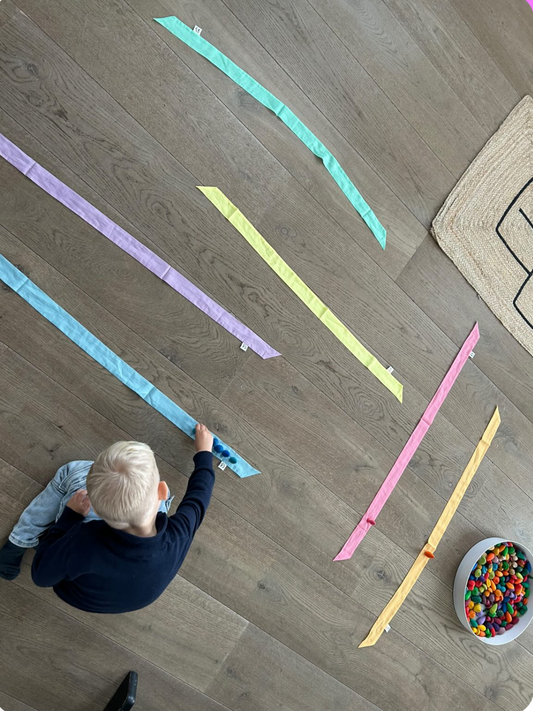
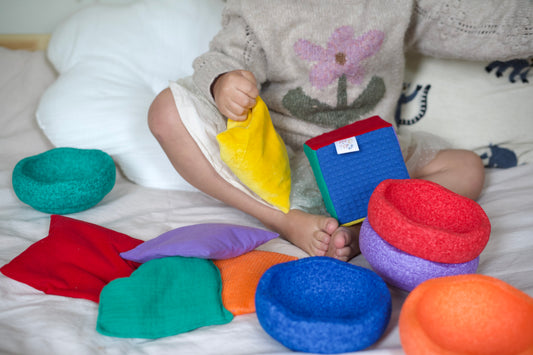
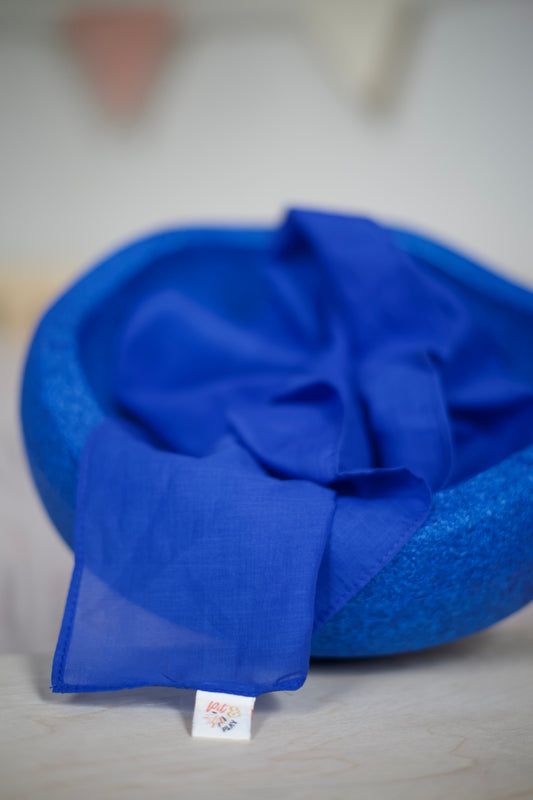
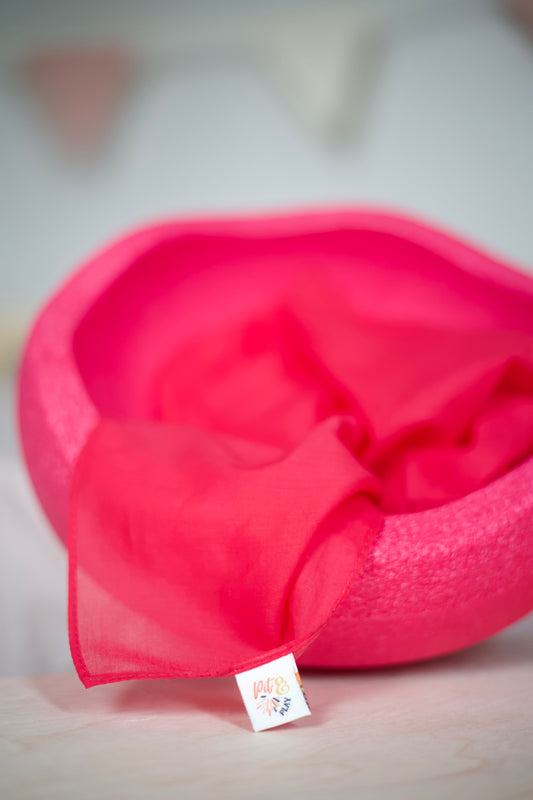
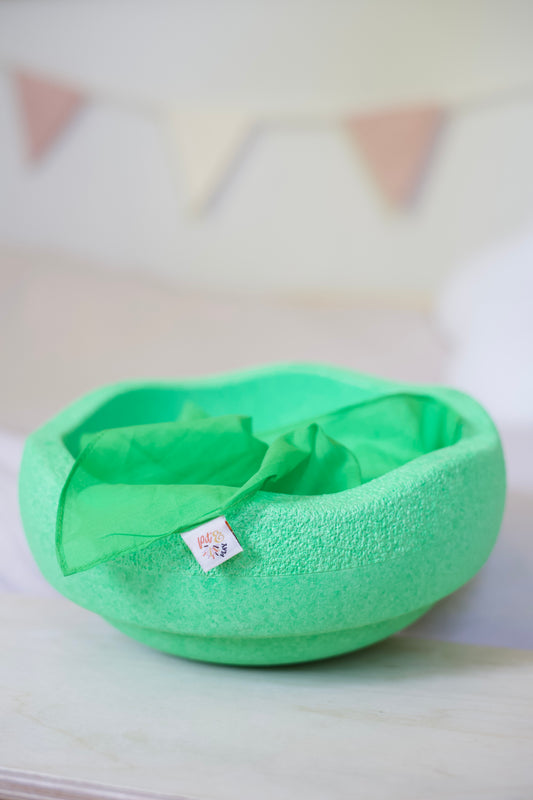
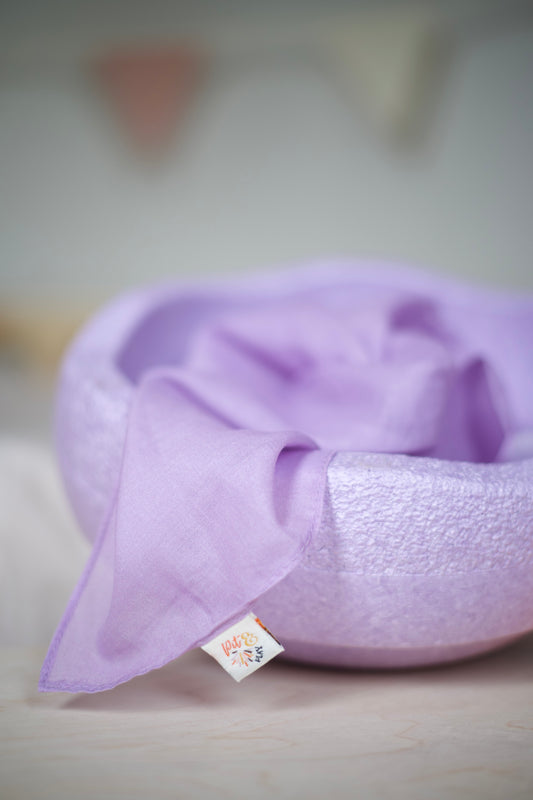
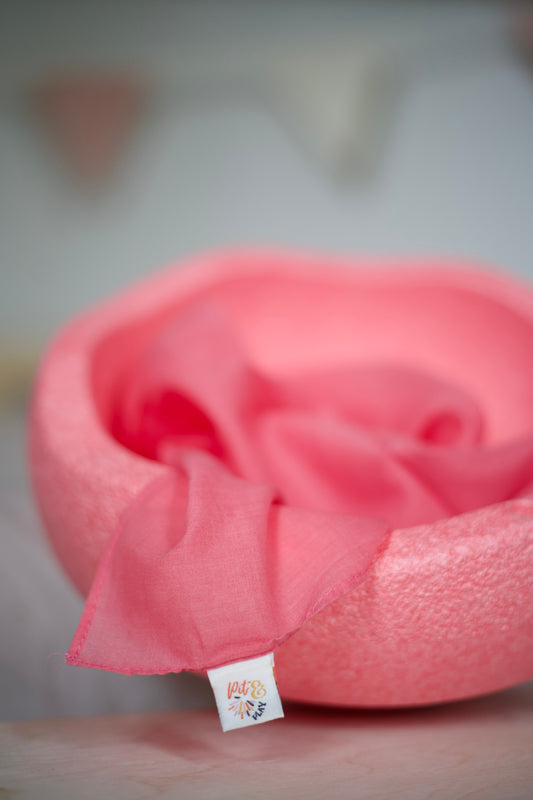
Playcloths Stapelstein combine perfectly with Stapelstein stones. With colors that match the well-known rainbow and pastel sets, children can use the cloths as capes, tent fabric, stages, decor, or play surfaces.
The cloths also add an extra dimension to stacking and building: children can make forts, tunnels, or role-play worlds.
Playcotton offers the same smooth play experience as Playsilk, but plant-based and sustainable.
Stapelstein Playcloths Pit and Play – a natural alternative to playsilks
Under the name Stapelstein playcloths, all our cotton playcloths perfectly match Stapelstein in color. They form a natural alternative to traditional playsilks.
Unlike silk, these cloths are completely animal-friendly and durable.
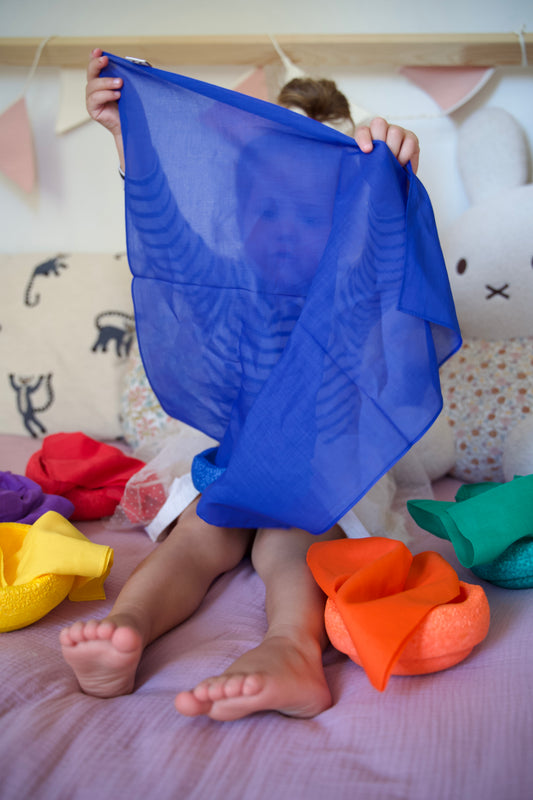
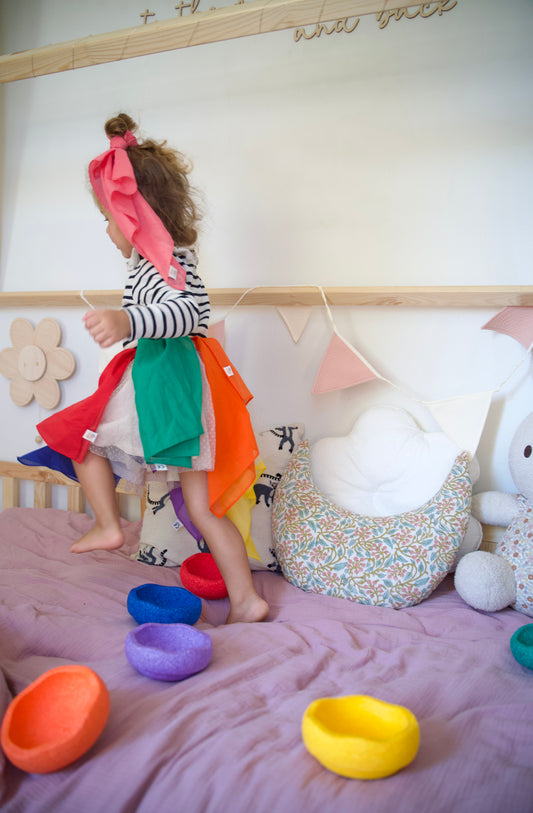
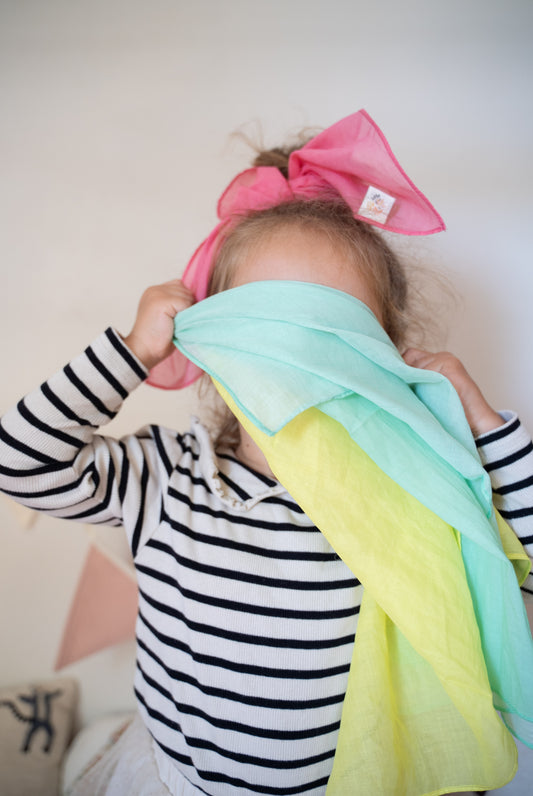
Children use them as dress-up capes, fort coverings, picnic blankets, or decorative elements during building and imaginative play with their Stapelstein stones.
Playcotton Stapelstein – what are cotton playcloths?
Playcotton Stapelstein refers to cotton playcloths that are as soft as playsilks but made from 100% cotton.
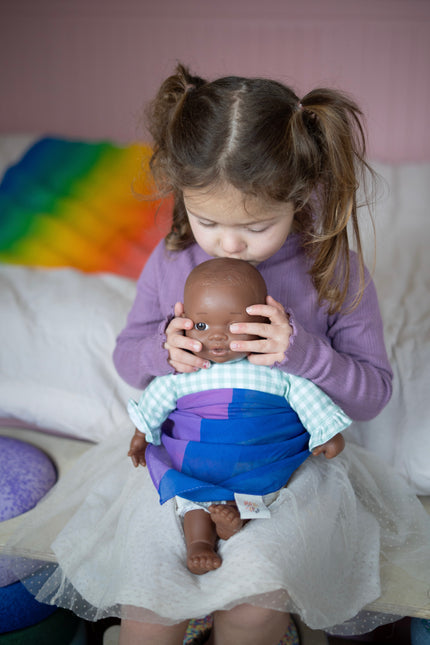
A cotton playcloth is a soft piece of fabric that children use in countless ways: as a tent fabric, cape, doll blanket, or bunting. Its open-ended nature stimulates creativity, concentration, and problem-solving skills. From 6 months old, children discover textures, colors, and movement.
Playcloth Stapelstein – why choose cotton?
A Playcloth Stapelstein combines softness with durability, making it ideal for both sensory play and role-playing.
The main advantages:
- 100% cotton – soft and skin-friendly
- Free from animal materials & microplastics
- Durable and long-lasting
- Supple enough for creative and imaginative play
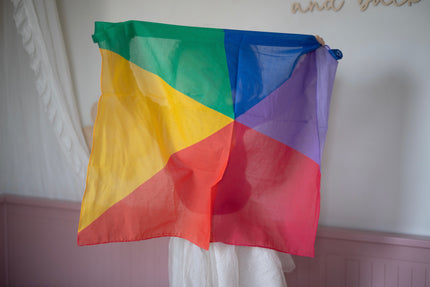
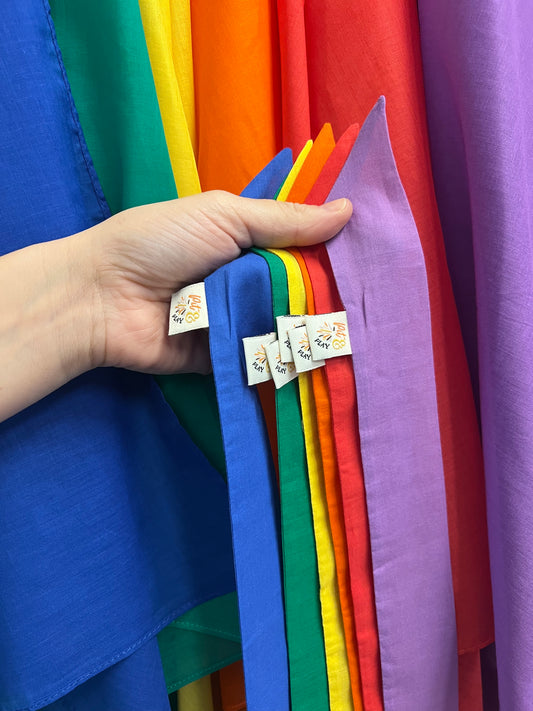
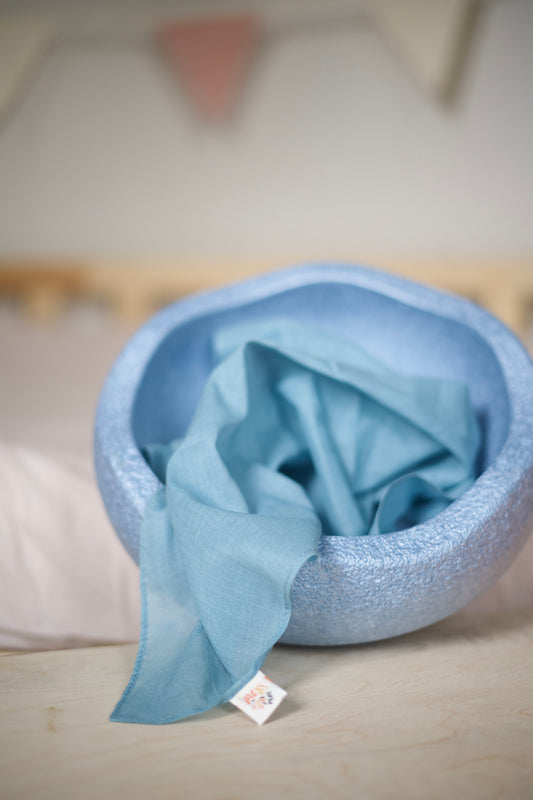
The cloths are available in rainbow colors, pastel colors, pink, bright green, dark green, and six cheerful confetti variants.
Playcloths stepping stones – for what ages?
Playcloths for stepping stones are suitable for children from 6 months to 6 years:
- Babies (6–18 months): discover textures, sound, and color
- Toddlers (1–3 years): dress up, build forts, or role-play
- Preschoolers (3–6 years): create tents, bunting, decorations, and fantasy worlds
Due to their simplicity, the cloths seamlessly integrate with Montessori and Waldorf play.
Playsilks Stapelstein – sensory & open-ended play
Playsilks Stapelstein (cotton variant) are ideal for sensory play. Children:
- feel how the fabric moves
- wave and roll with it
- practice fine motor skills by knotting, pulling, and folding
- use the cloth for dress-up, building forts, and expression
The cotton playsilk is also breathable and calming, perfect for peaceful play moments.
Playsilk Stapelstein – play ideas and inspiration
With a Playsilk Stapelstein (cotton version), children can:
Build forts, tents & shelters
Combine with Stapelstein stones for extra stability and play dimension.
Dress-up and role-playing
Capes, skirts, dresses, royal robes, and superhero outfits are created in an instant.
Picnic and doll play
Use the cloth as a picnic blanket, doll blanket, or decorative surface.
Rest and sensory play
The breathable fabric invites swaying, flapping, and feeling, ideal for relaxation.
Playcloth rainbow – colors that invite play
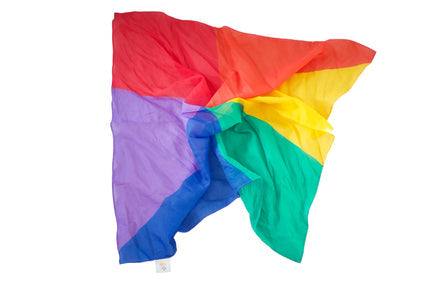
The rainbow playcloth is one of the most popular variants. These cheerful colors stimulate:
- color recognition
- imagination
- movement
- free play
They pair perfectly with rainbow Stapelstein sets and immediately create a vibrant play environment.
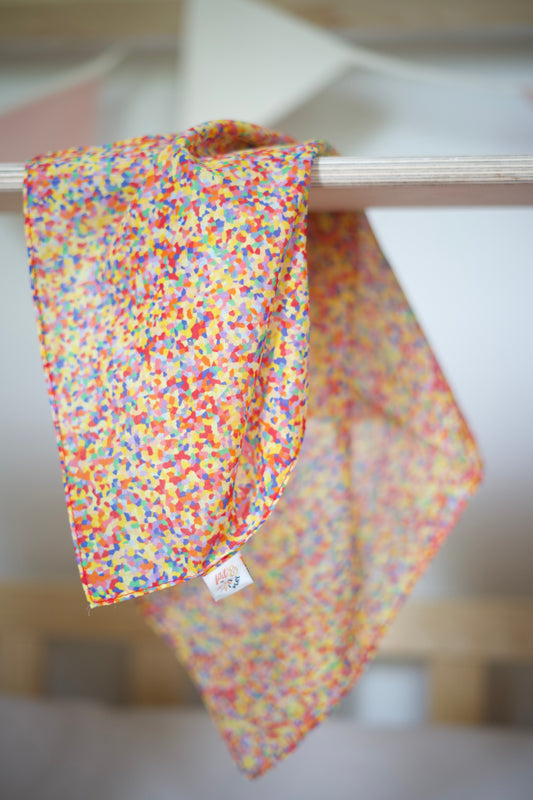
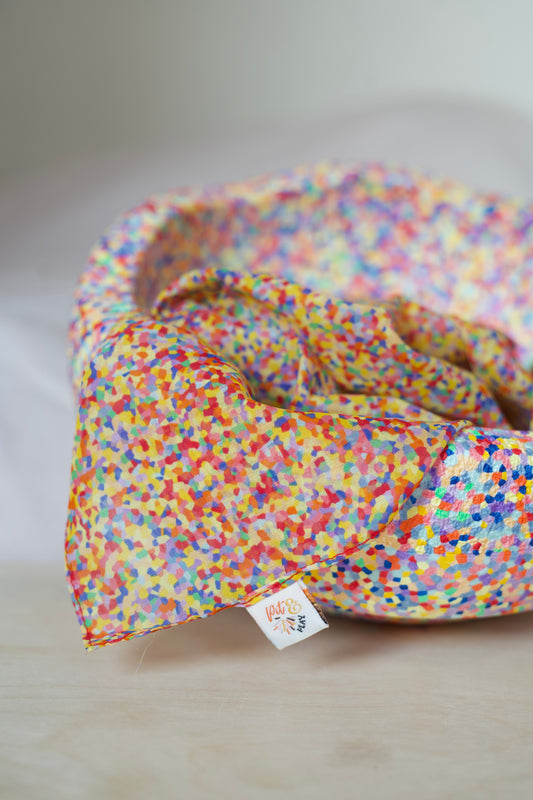
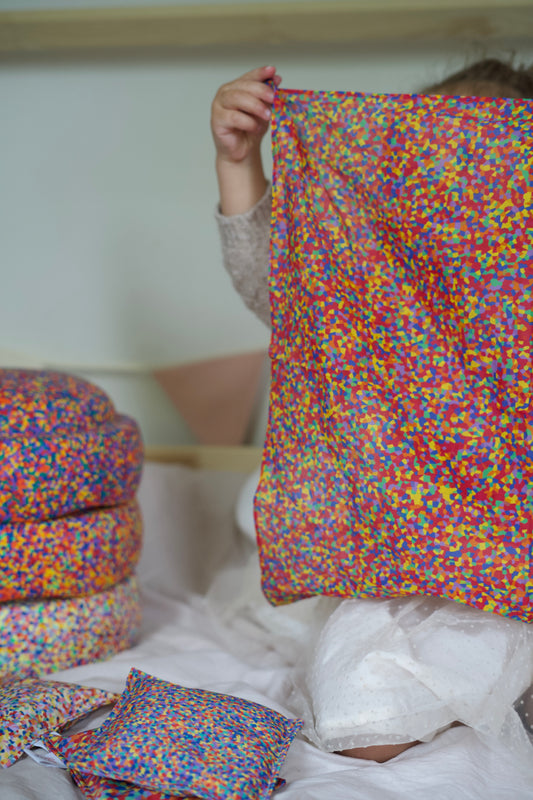
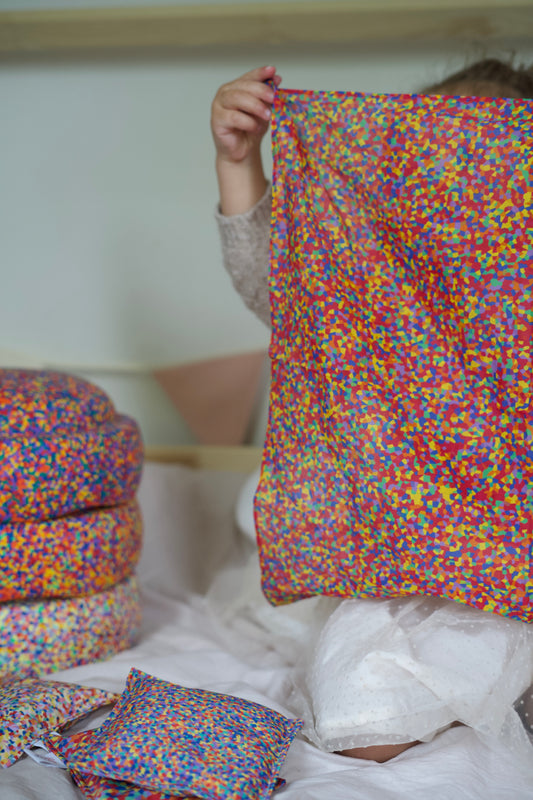
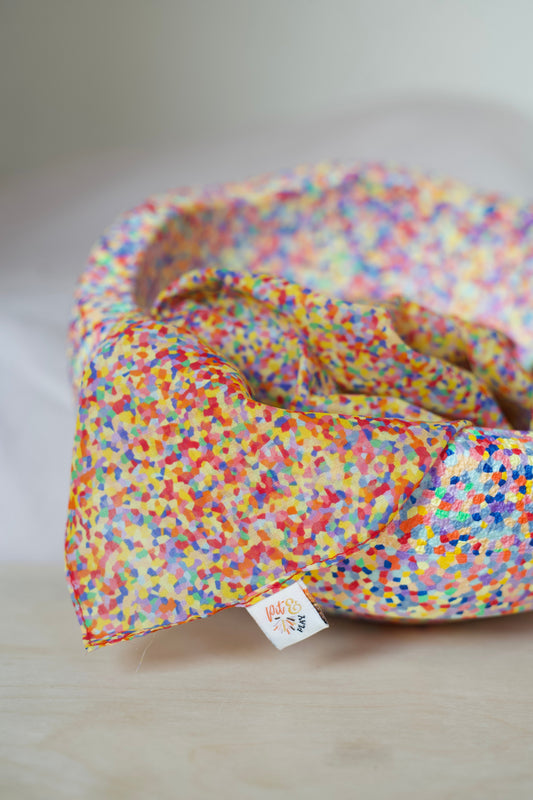
Playcloth confetti, cheerful, playful, and energetic
A confetti playcloth is ideal for children who love color and movement.
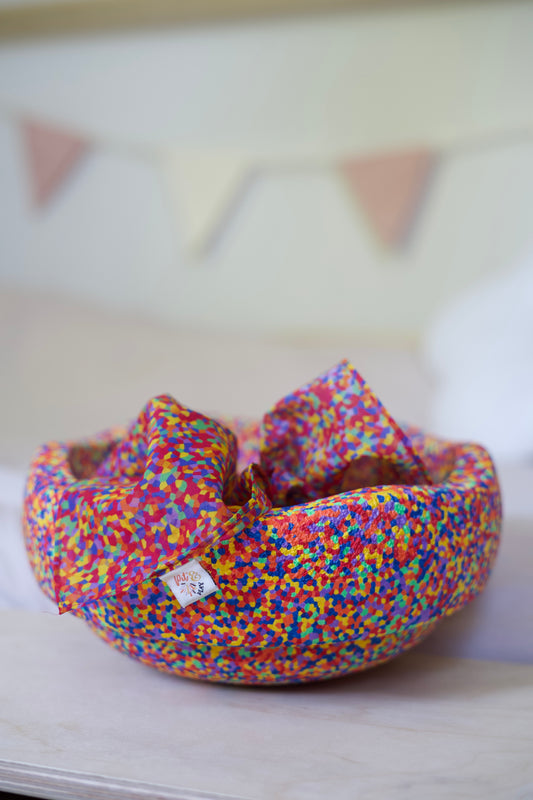
The playful confetti dots stimulate creativity and are perfect for festive role-playing, playing store, group play, or expressive activities.
Colors & sizes Playcotton
The cotton playcloths from Pit and Play are available in 21 colors:
- rainbow Playcotton
- pastel Playcotton
- 6 confetti colors Playcotton
- solid pink, bright green, dark green Playcotton
Available sizes Pit and Play Playcotton
- 48 × 48 cm – perfect for babies and young toddlers
- 75 × 75 cm – ideal from 2.5 years old
Combining multiple colors and sizes ensures endless play possibilities.
Frequently Asked Questions Playcloths Stapelstein
What is the difference between play silk and cotton playcloths?
Play silk is an animal material; cotton playcloths are 100% plant-based and animal-friendly.
Suitable from what age?
From 6 months for sensory play; fully suitable for toddlers and preschoolers for dress-up, building forts, and role-playing.
Are playcloths suitable for Montessori & Waldorf education?
Yes, due to their simplicity and open-ended form, they are ideal for these play methods.
How do you wash Stapelstein playcloths?
Machine wash at 30°C, use mild detergent, air dry.
What can you use playcloths for?
Cape, tent, decor, fort, picnic blanket, dress-up clothing, sensory play, doll blanket, and creative expression